
Food Apps: Discovering New Flavours Daily

The culinary world has undergone a massive digital transformation. Only a few years ago, "discovering new food" meant driving to a physical neighbourhood or scanning the local newspaper. Today, that entire universe is condensed into an icon on your smartphone.
Food apps have evolved from simple delivery logistics into sophisticated discovery engines. In 2026, they act as personalized digital concierges, using artificial intelligence, social psychology and gamification to push us out of our culinary comfort zones. Here is how food apps are helping you discover new food daily.
AI-POWERED HYPER-PERSONALIZATION
The most significant shift in modern food apps is the move from "search" to "recommendation." Instead of you searching for a dish, the dish finds you.
- Predictive Palates: Advanced AI models now analyse your order history, the time of day, and even current weather patterns. If it's a rainy Tuesday, the app might suggest a spicy Thai curry you’ve never tried before, knowing that "comfort food" and "heat" are your usual rainy-day triggers
- The "Similar to" Engine: Much like Netflix suggests movies based on your viewing habits, food apps use collaborative filtering. If users who love the same authentic Ramen spot as you are suddenly ordering from a new West African fusion kitchen, the app will flag that kitchen for you
- Real-Time Context: Using GPS and biometric integration (via wearables), some apps can now suggest meals based on your physical activity. Just finished a high-intensity workout? The app might highlight a new protein-heavy Mediterranean bowl from a local vendor you haven't visited yet.
BREAKING THE "BORING" LOOP WITH GAMIFICATION
Humans are creatures of habit; we often order the same three meals from the same three places. Food apps combat this "order fatigue" through psychological incentives.
The Adventure Bonus: Many apps now feature "Culinary Passports" or "Streaks." For example, you might earn 500 bonus points for ordering from three different continents in a single month. This turns the simple act of dinner into a mission to "unlock" a new badge or a free dessert.
Gamified Discovery Features:
| Feature | How it Helps Discovery |
|---|---|
| Cuisine Streaks | Rewards you for trying a new cuisine type each week |
| Mystery Boxes | Allows you to pay a flat fee for a "Surprise Meal" from a highly-rated local chef |
| Community Challenges | Promotes "Trending" dishes that a certain number of people in your zip code are trying |
THE POWER OF SOCIAL PROOF AND MICRO-INFLUENCERS
In 2026, the standard five-star rating has been replaced by more nuanced social data. We trust people more than we trust algorithms, and food apps have leaned into this.
- Video Reviews: Static photos are being replaced by short-form video clips (similar to TikTok) embedded directly in the menu. Seeing the steam rise from a fresh Xiao Long Bao or the "cheese pull" of a new sourdough pizza provides the visual validation needed to try something risky
- Trusted Circles: Many apps now allow you to follow "Foodie Leaders" or your own friends. If your friend - whose taste you admire - just discovered a hidden gem of a taco truck, it appears in your "Friend's Favourites" feed
- Dish-Specific Ratings: Apps now highlight the one thing a restaurant does best. Instead of seeing a 4.2-star restaurant, you see that their "Truffle Mushroom Risotto" has a 98% "must-try" rating, making it easier to take a chance on a specific new dish
HYPER-LOCAL AND CLOUD KITCHEN EXPANSION
The "discovery" part of food apps is also a result of physical logistics. The rise of Cloud Kitchens (delivery-only restaurants) has lowered the barrier to entry for experimental chefs.
Because these kitchens don't need a high-rent storefront, they can afford to be niche. This means your food app can suddenly offer you niche cuisines - like Ethiopian-Mexican fusion or vegan soul food - that wouldn't survive in a traditional brick-and-mortar setting. The app acts as the bridge, bringing these experimental flavours directly to your doorstep.
VISUAL MENUS AND "INTERACTIVE EXPLORATION"
The days of reading a text-heavy PDF menu are over. Modern apps use high-definition, interactive menus that make discovery an immersive experience.
- Augmented Reality (AR): Some high-end apps allow you to see a 3D AR projection of a dish on your table before you order. This removes the "what will this actually look like?" anxiety that often prevents people from trying unfamiliar international cuisines
- Ingredient Transparency: For those with dietary restrictions, discovery used to be dangerous. Now, "Smart Filters" allow you to discover new foods within very specific boundaries (e.g., "High-protein, Keto-friendly, Nut-free"). You can explore new cultures without compromising your health
THE VERDICT: YOUR PHONE IS YOUR PASSPORT
Food apps have transitioned from being a "lazy Sunday" tool to a legitimate way to expand your cultural horizons. By removing the friction of distance, the uncertainty of quality and the boredom of habit, they encourage us to treat every meal as a mini-adventure.
Next time you open your favourite food app, don't just hit "Order Again." Look at the "Picked for You" or "New on the Block" sections. There is a world of flavour waiting - and the algorithm has likely already found exactly what you didn't know you were craving.
Do you usually stick to your "usual" order, or do you find yourself clicking on those "New For You" suggestions more often these days?
Related Blogs

Celebrate Onam and Raksha Bandhan with the Foodism x Orika
193 Views
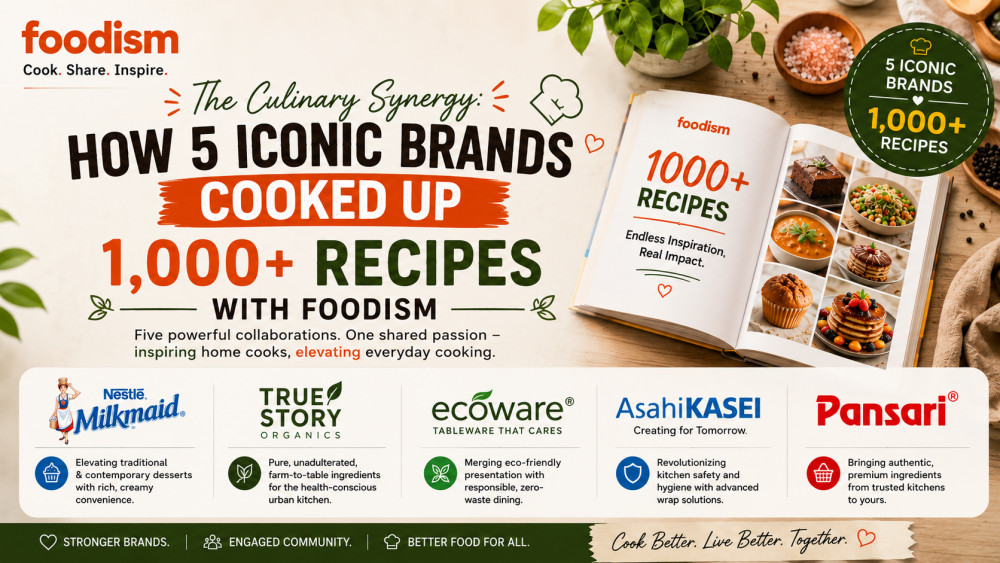
The Culinary Synergy: How 5 Iconic Brands Cooked Up Over 1,000 Recipes
294 Views
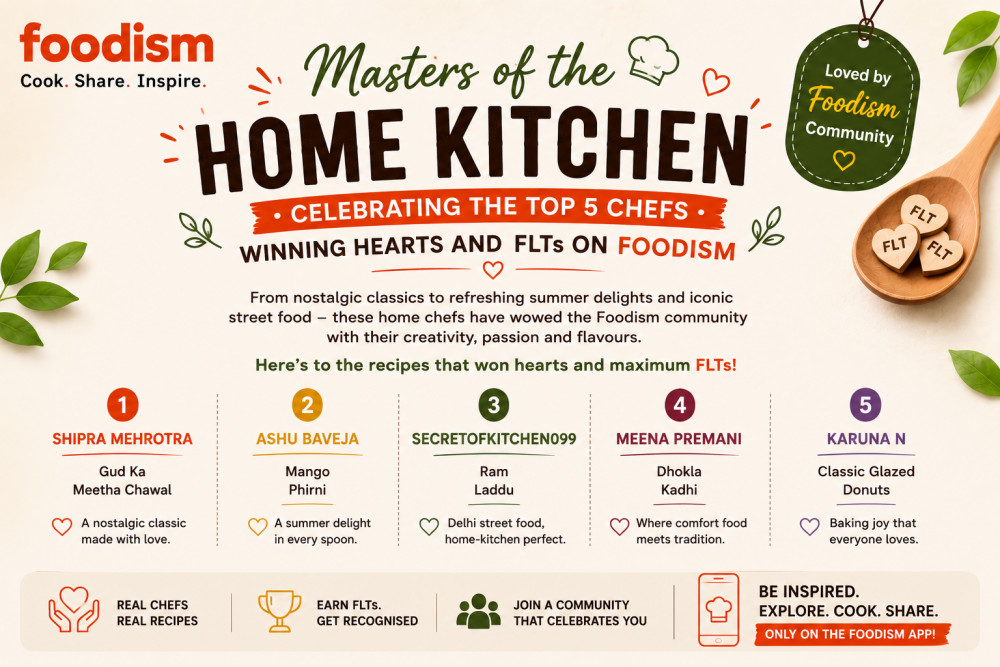
Masters of the Home Kitchen: Celebrating the Top 5 Chefs Winning Hearts and FLPs
288 Views

Sweet Sensations: 5 Trending Dessert Recipes Winning Over Foodism
260 Views
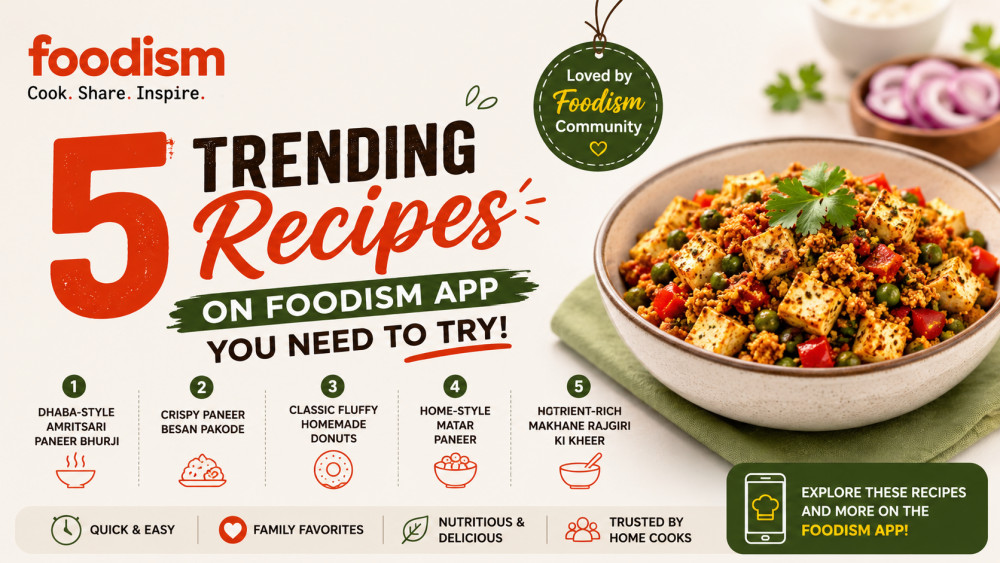
5 Trending Recipes on Foodism App You Need to Try
212 Views
