Kitchen Hygiene 101: Food Safety We Often Forget
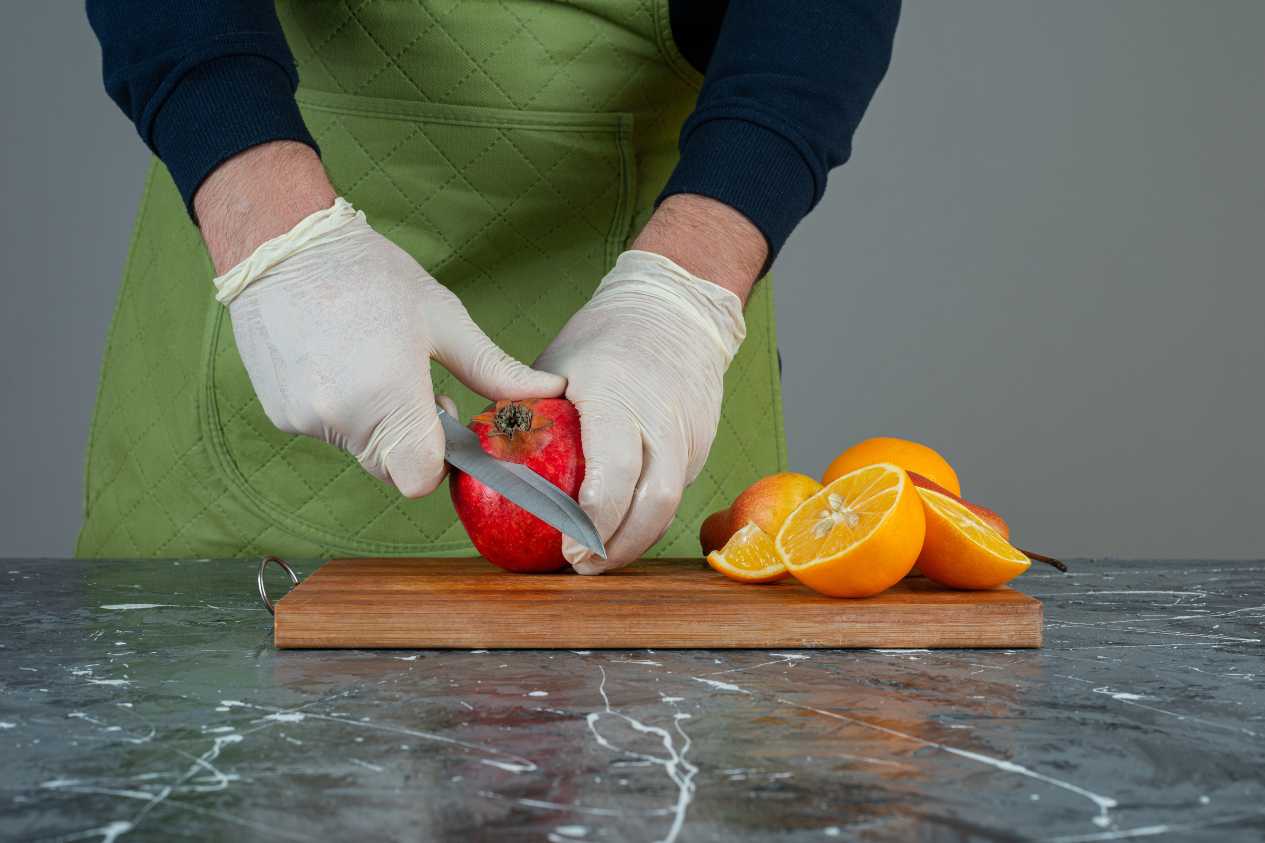
Magic occurs in our kitchens as flavors blend, scents ascend, and tales simmer. However, we frequently forget about food safety in the midst of all the chopping, sizzling, and tasting. The goal of a clean kitchen is to safeguard you and your loved ones from bacteria, cross-contamination, and diseases that can infiltrate undetected. It's not just about aesthetics.
Welcome to Kitchen Hygiene 101, where we go over the basic yet important practices that can significantly impact your cooking routine.
1. The Ignored Handwashing Rule
All of us have handled raw chicken, reached for spices, and then proceeded to chop vegetables. However, one of the most important kitchen hygiene practices is to thoroughly wash your hands after each task.
Before and after handling raw food, especially meat, eggs, and seafood, always wash your hands for at least 20 seconds with soap and warm water. Keep in mind that sanitizers are only backups and should not be used in place of traditional soap and water.
Pro tip: Change your hand towel daily and keep a separate one for drying your hands.
2. Cutting Board Perplexity
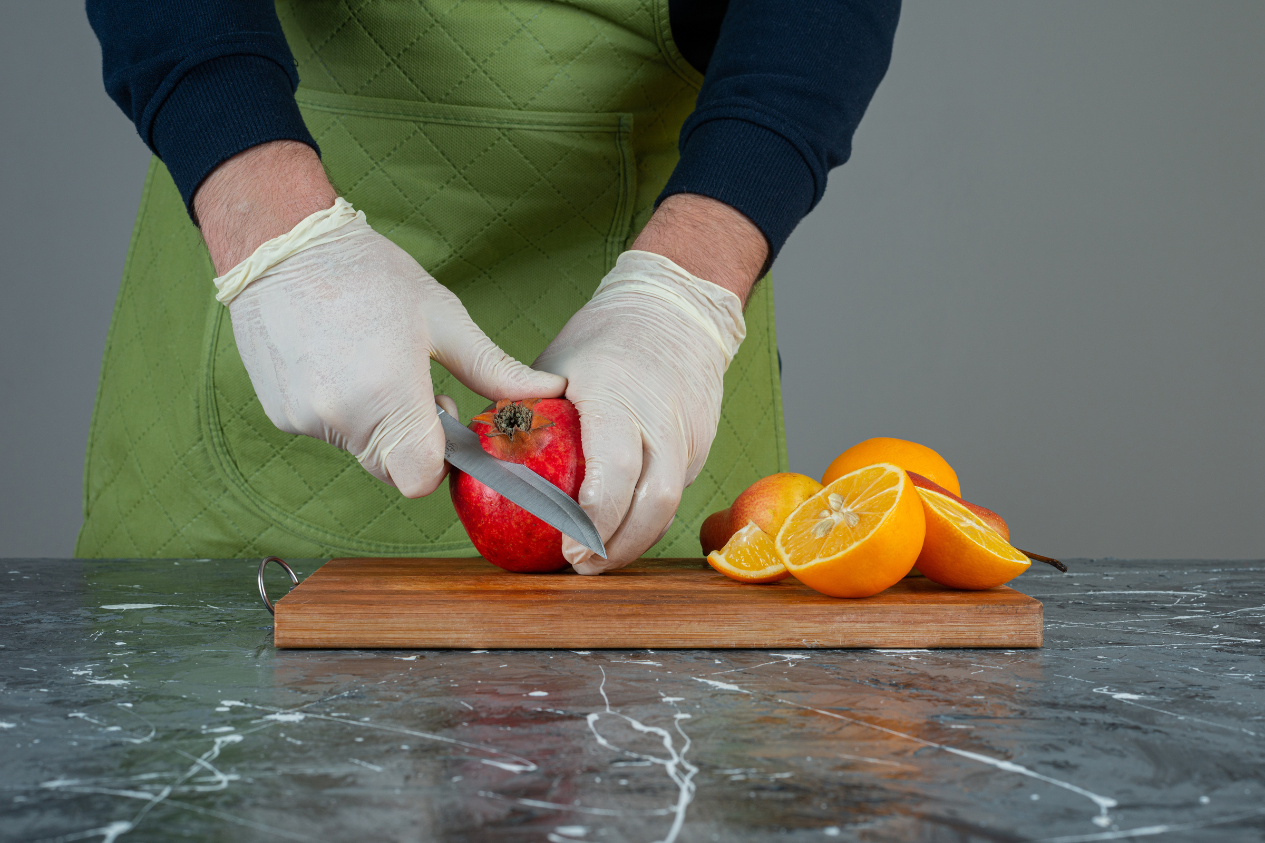
One of the main sources of cross-contamination may be your cutting board. Bacteria are silently invited when meat and vegetables are served on the same board.
How to resolve it:
- If at all possible, keep different cutting boards for raw meat, vegetables, and fruits, and cooked food.
- After every use, wash cutting boards in hot, soapy water, and let them air-dry completely before using them again.
Bonus tip: Since bacteria love to hide in deep cuts, replace wooden boards as soon as they appear.
3. The Dilemma of the Dish Sponge
Despite its innocent appearance, your dish sponge is among the dirtiest things in the kitchen. It stays wet, traps food particles, and becomes a breeding ground for bacteria.
How to proceed:
- To destroy germs, microwave a moist sponge for one minute every other day.
- Replace it once a week or use silicone scrubbers that can be washed.
As an alternative, wash a fresh dishcloth in hot water after each use.
4. The Ignored Refrigerator Areas
A refrigerator does not have the ability to freeze time. The location and method of ingredient storage affect food safety.
A brief guide to refrigerator hygiene:
- Top shelves: Food that is ready to eat and leftovers.
- Dairy and cooked goods are on the middle shelves.
- Raw fish and meat on the bottom shelves (to avoid drips).
- Door shelves: Drinks and condiments, not milk or eggs because of the temperature fluctuations.
Additionally, don't forget to wipe up spills right away, check expiration dates every week, and routinely defrost your refrigerator.
5. Danger Zone: Room Temperature
Food is frequently left on the counter "just for a while." Unfortunately, the dangerous temperature range for food storage is between 5°C and 60°C, where bacteria flourish.
As a general rule:
- Perishable food shouldn't be left out for longer than two hours.
- Even an hour is dangerous in hot weather.
Before cooling and putting away a large dish (such as a curry or biryani), divide it into smaller portions. This keeps food safe and helps it cool more quickly.
6. The Cloth Trap: Aprons and Kitchen Towels
We frequently use the same towel to clean spills, wipe our hands, and even handle food. Contamination is inevitable.
Checklist for towel hygiene:
- Every day, wash kitchen towels in hot water.
- Do not use used towels to wipe down utensils.
- Have a different cloth for drying dishes and another for wiping counters.
Yes, you should wash your apron at least twice a week.
7. The Unnoticed Areas We Neglect to Clean
Do you think your kitchen is immaculate? These grime magnets may be missing from your collection:
- Disassemble and thoroughly clean the mixer blades and blender gaskets.
- Wipe spills under the microwave tray on a regular basis.
- Every week, scrub the lids of the garbage can and sink drain with vinegar and baking soda.
- Disinfect switches, knobs, and handles on the refrigerator every day.
These tiny areas are home to bacteria that can spread from your hands to your food.
8. Uncooked and Prepared Avoid Mixing
One of the most important kitchen hygiene rules is to never combine raw and cooked food.
Using the same plate or spoon twice is enough to cause problems.
For instance:
- Don't put the grilled paneer back on the raw marinade plate.
- Use different tongs for raw and cooked vegetables.
Color-coded utensils make it easier to distinguish between tools used for raw preparation and those used for cooking.
9. The Error with the Oil and Leftovers
Two of the most significant health hazards we ignore are used oil and leftovers.
Regarding oil:
- Reuse oil once, and only if it hasn’t smoked or darkened.
- Reused oil should first be strained and then stored in an airtight container.
- Mixing used and fresh oil destroys flavor and increases toxins.
Regarding leftovers:
- Label with the date, store in airtight containers, and then promptly chill.
- Consume within two to three days.
- Make sure it's piping hot and only reheat once.
10. Chefs Are Not the Only Users of Food Thermometers
We frequently speculate as to whether food is "done," but doing so can be dangerous, particularly when it comes to tofu, meat alternatives, and even reheated curries.
Invest in a digital food thermometer. It ensures food reaches the safe internal temperature:
- 74°C for poultry
- Food that has been reheated: 75°C
- Leftovers: Warm all over, with no cold spots
Thermometers help guarantee that food is heated uniformly, preserving its safety and flavor even when cooking vegetarian meals.
The Clear Resolution
Consistency, not perfection, is what kitchen hygiene is all about. When small steps are routinely taken, big problems are avoided. It involves considering your kitchen as a health space as well as a place to cook, where creativity, cleanliness, and care go hand in hand.
Thus, spend a little more time cleaning, wiping, and storing the food the next time you cook. Because the best seasoning in food, as in life, is safety.
Related Blogs

Celebrate Onam and Raksha Bandhan with the Foodism x Orika
201 Views
The Culinary Synergy: How 5 Iconic Brands Cooked Up Over 1,000 Recipes
304 Views
Masters of the Home Kitchen: Celebrating the Top 5 Chefs Winning Hearts and FLPs
296 Views

Sweet Sensations: 5 Trending Dessert Recipes Winning Over Foodism
265 Views
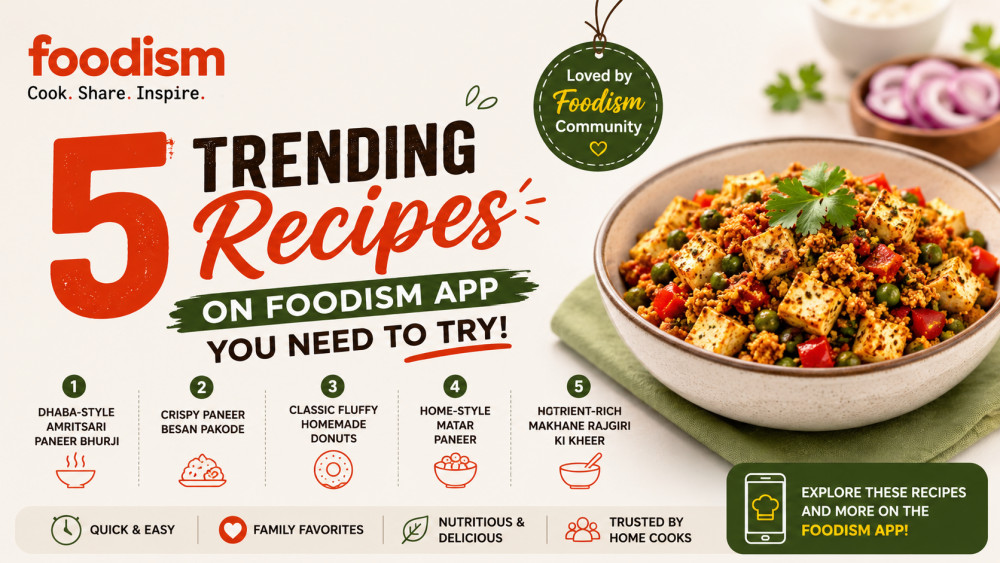
5 Trending Recipes on Foodism App You Need to Try
215 Views
